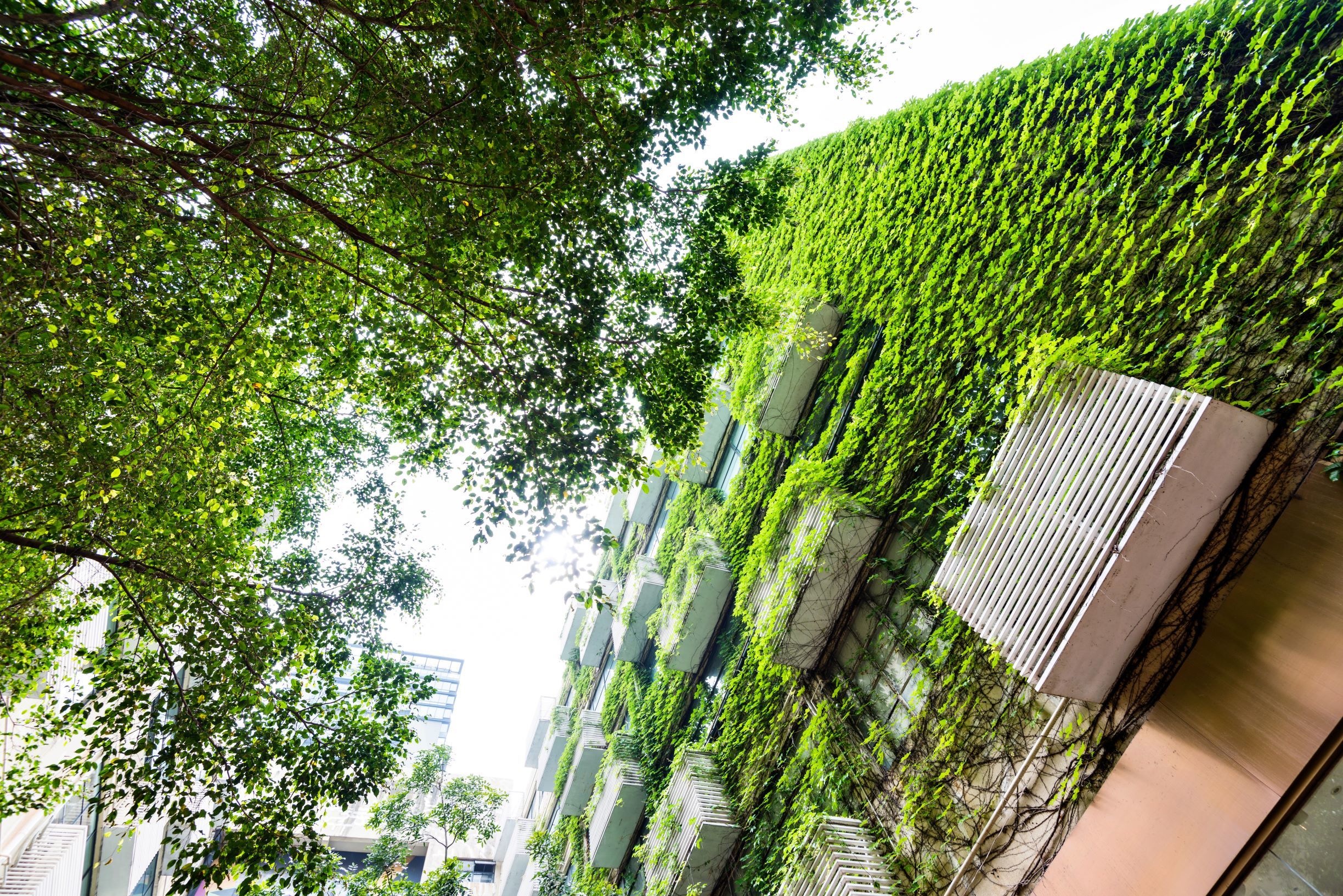
Sustainable design integrates environmental considerations into every stage of the building lifecycle, aiming to minimize negative impacts on the environment while enhancing the well-being of occupants. At Airavatam, we are committed to incorporating sustainable practices into our architectural solutions to create spaces that are both environmentally responsible and aesthetically pleasing.
- By incorporating energy-efficient technologies and renewable energy sources, sustainable buildings significantly reduce greenhouse gas emissions. This contributes to mitigating climate change impacts and supports global efforts to achieve carbon neutrality. Sustainable design practices emphasize using materials that are durable, recyclable, or have high recycled content. This minimizes construction waste and promotes a circular economy where materials are reused or repurposed at the end of their lifecycle.
- Sustainable design, also known as green design or environmental design, refers to the practice of creating buildings, landscapes, and communities that minimize negative environmental impacts and enhance the well-being of occupants and the surrounding ecosystem. It integrates principles of environmental responsibility, resource efficiency, and social consciousness into every stage of the design, construction, operation, and end-of-life phases of buildings and urban spaces.